
A World Testing American Weakness

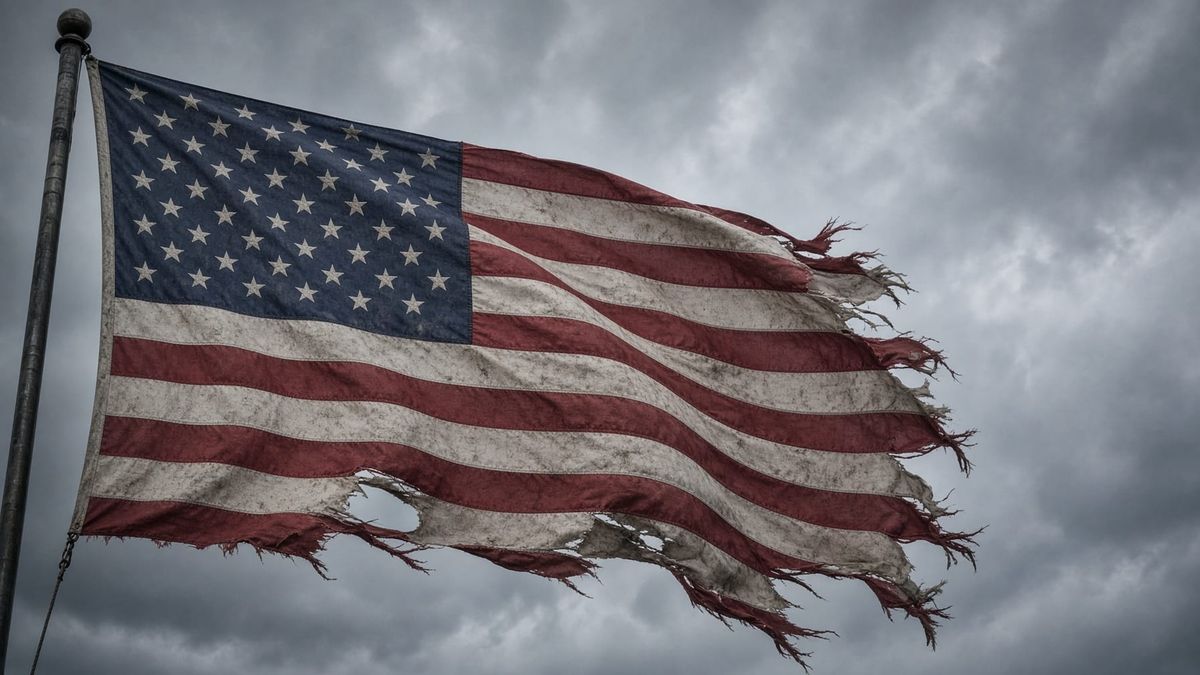
We have come to expect strategic incoherence bordering on malfeasance from the Trump administration, but we are entering a period in which four interacting geopolitical risks threaten to upset an increasingly precarious equilibrium.
The first is the continuing conflict with Iran, which has given Tehran considerable leverage. Iran is now demanding terms from Washington that reportedly include reparations, authority over navigation through the Strait of Hormuz, and ad valorem tolls on vessels transiting the Strait. Whatever the eventual settlement, Washington is negotiating from a considerably weaker position than it occupied before the war.
The second is the growing integration of North Korea into Russia's war against Ukraine. Ukrainian intelligence reports that North Korean missile units are deploying to western Russia, while North Korean ballistic missiles are again being used against Ukrainian targets. If reports that Russia intends to deploy tens of thousands of additional DPRK troops are correct, such a force will necessarily require a substantial North Korean command-and-control architecture on Russian territory, including officers, staff elements, interpreters, liaison teams, communications personnel and logistics commands integrated into Russian operations.
The third is China's increasing military activity on the Pacific side of Taiwan, most recently including planned exercises with Indonesia. Repeated PLAN operations east of Taiwan increasingly normalize a Chinese naval presence in precisely the waters that would become critical during a blockade or invasion. Normalization itself has strategic value: the more routine these deployments become, the more difficult it becomes to distinguish another exercise from preparations for open hostilities.
The fourth is the depletion of critical American missile inventories. The United States has reportedly consumed virtually all of the available ATACMS and PrSM inventory relevant to current operations, while Patriot and THAAD interceptor stocks have been severely depleted and substantial numbers of Tomahawks have also been expended. These are not abstract procurement problems. They directly weaken America's ability to fight or deter another major conflict while the Iranian war continues, particularly in the Asia-Pacific theater at a time when China increasingly appears to be rehearsing the operational requirements of a blockade and potential invasion of Taiwan.
The American response remains inadequate: continued efforts to placate Russia, negotiations with Iran from a position substantially weaker than the one Washington occupied before the war, and insufficient urgency toward Chinese military activity around Taiwan. More seriously, these problems compound one another. Every interceptor expended in the Middle East is unavailable elsewhere; every additional North Korean unit sustaining Russia increases the burden on NATO; and every additional crisis consuming American attention and military capacity improves Beijing's relative position in the western Pacific.
If this trajectory continues, the resulting economic and geopolitical turmoil could dwarf what we are experiencing now. Recent U.S. intelligence assessments reportedly judge that Russia could test NATO directly sometime between this autumn and 2029 (coincidentally during Trump's presidency), most plausibly through cyberattack, sabotage or another deliberately ambiguous operation, although a limited territorial incursion is also being considered. China faces its own strategic timetable. I see little reason to assume Beijing will patiently wait for a more competent and less negligent American administration if it concludes that the present combination of depleted inventories, simultaneous crises and political incoherence offers it a uniquely favorable opportunity.


