
The Inconsequential Consequential President

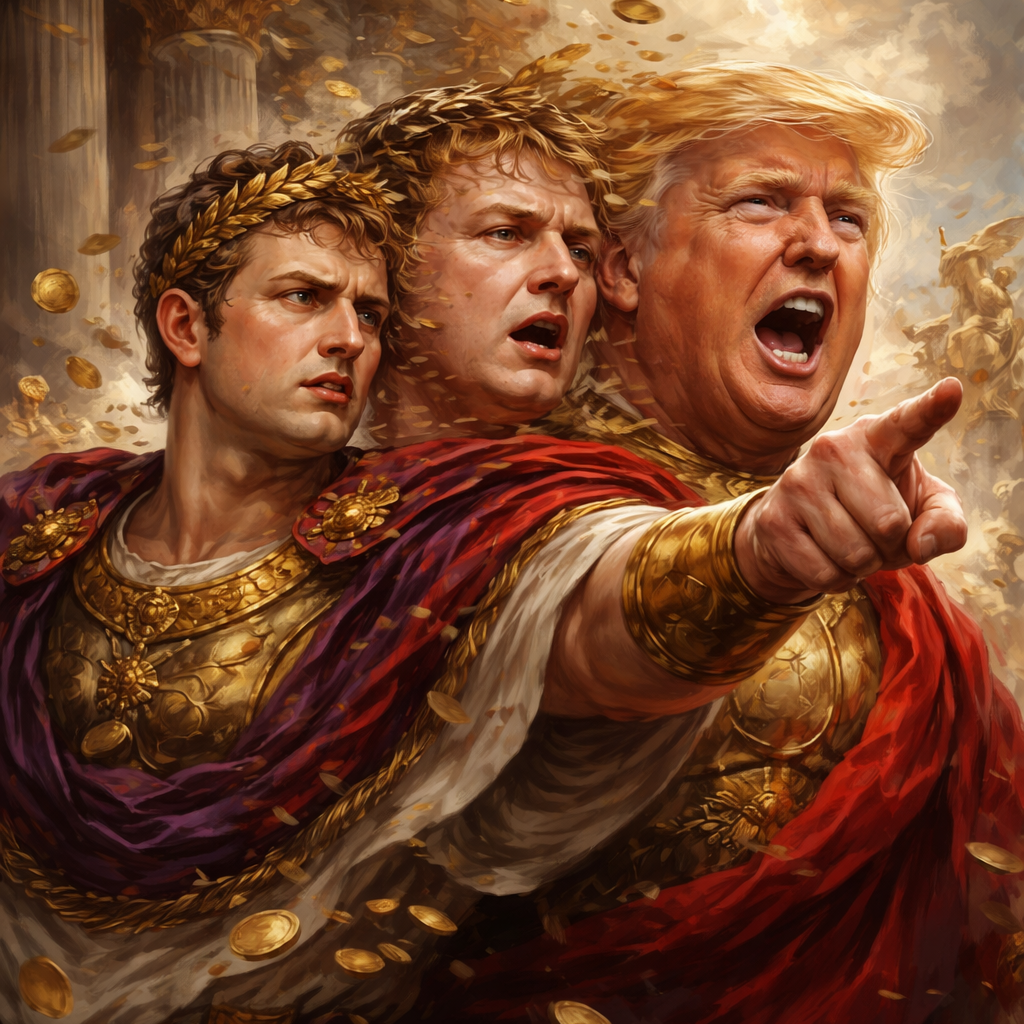
Trump is not Hitler. He is something else: consequential in the damage he causes, but inconsequential in the long arc of history.
The consequential damage is real. Trump has actively undermined the postwar global order—attacking NATO, imposing economically incoherent tariffs, engaging in reckless foreign policy theatrics, and showing indulgence toward authoritarian regimes while antagonizing allies. Domestically, he has weakened respect for democratic norms and the rule of law, normalized cruelty and corruption, and hollowed out U.S. moral authority abroad—effects that authoritarian governments quickly notice and exploit.
But this is where apocalyptic readings fail. Trump is not a transformational tyrant. He is better understood as Caligula: narcissistic, capricious, spectacle-driven, and corrosive—yet ultimately survivable by institutions. Rome endured Caligula; after his assassination, Claudius restored competent administration, and the empire later reached its territorial height under Trajan. History continued.
Trump will likely be judged among America’s worst presidents—but not its last chapter.
Crucially, MAGA is not an ideology; it is a coalition—of isolationists, nationalists, racists, plutocrats, religious conservatives, statists, corporate socialists, and voters enraged by the status quo. Trump’s singular skill was holding these factions together. That cohesion is already fraying, as illustrated by figures like Marjorie Taylor Greene breaking ranks.
When Trump exits the stage, MAGA fractures. The pieces remain, but the unified movement does not.
Bottom line: Trump is consequential—and has done real damage. But in the long view, he is inconsequential. He is not the end of the American story. And unlike Rome, we still get a say in what comes next.



